

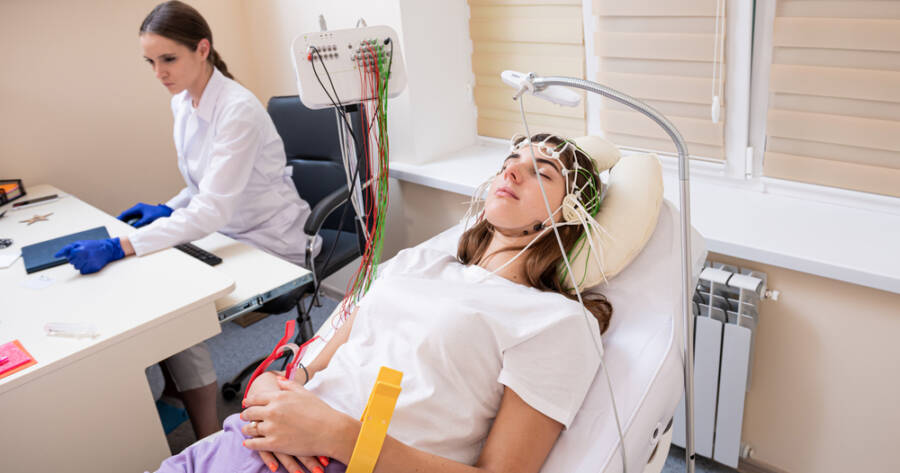
Sleep problems can have many causes, and figuring out what is happening overnight sometimes requires more than describing symptoms at a routine appointment. Sleep testing can measure breathing, movement, brain activity, and other functions while a person rests. Knowing which tests are available, where they are performed, and how to find a reputable sleep center can make the next steps much easier to understand.
What a Sleep Study Actually Involves
A sleep study is a diagnostic test that monitors the body during sleep, helping medical professionals identify conditions that interfere with rest and overall health. These tests track various physical functions, such as breathing, brain activity, and movement, while the patient sleeps, giving clinicians a detailed picture of what happens during the night.
Several different sleep disorders can be identified through this type of testing. Conditions including sleep apnea, insomnia, restless leg syndrome, and narcolepsy are all among those that can be diagnosed through a properly conducted sleep study (source). Because these disorders vary widely in their symptoms and severity, the type of study recommended will often depend on what the healthcare provider suspects based on the patient’s history.
Where Sleep Studies Can Be Conducted
One of the most important things to understand is that sleep testing is not limited to a single setting. Depending on the suspected condition, a study may take place at a hospital, a dedicated sleep clinic, or even in the comfort of the patient’s own home (source). Each of these options serves different diagnostic needs, so understanding the differences helps patients ask the right questions when speaking with a doctor.
For those who undergo testing at a hospital or sleep clinic, the environment is typically designed to feel far less clinical than one might expect. For an overnight study at a sleep center, patients typically check in later in the day and sleep in a private room designed to feel comfortable rather than highly clinical. Many facilities also provide a private bathroom so the setting feels more like ordinary overnight accommodation (source). Technicians monitor the results throughout the night, and most patients are able to leave in the morning. The goal is to make the experience as close to normal sleep as possible so that the data collected is accurate and meaningful.
Home-based testing offers a more convenient alternative for specific situations. Home-based sleep testing is mainly used when obstructive sleep apnea is suspected. Because the equipment records a more limited set of measurements than an in-lab study, it is not intended to evaluate the full range of other sleep disorders (source). For patients whose symptoms strongly suggest sleep apnea, this approach can reduce the time and inconvenience associated with an overnight clinic visit.
Finding Accredited Sleep Centers and Specialists
Locating a reputable facility is a key part of the process. The American Academy of Sleep Medicine (AASM) operates a Sleep Center Directory that allows patients to search for accredited sleep centers and qualified specialists in their local area (source). Using an accredited center means the facility meets established standards for care and clinical practice, which matters when the results of a test will inform ongoing medical decisions.
The AASM has been a leading force in sleep health, research, and education since 1975, making it one of the most trusted sources of guidance in this field (source). With more than 2,300 accredited sleep centers recognized under its standards and a membership network of over 11,000 professionals spanning the globe, the organization represents a substantial infrastructure dedicated to quality sleep medicine (source). For patients in the United States, this network offers a reliable starting point when searching for somewhere to undergo evaluation.
Preparing to Take the Next Step
Before scheduling any kind of sleep study, patients are encouraged to speak with a primary care provider or specialist who can assess their symptoms and recommend the most appropriate type of test. Not every patient requires an overnight clinic stay, and not every situation calls for a home test. A qualified professional can help determine the right path forward based on individual circumstances.
Keeping notes about sleep patterns, symptoms, and anything unusual observed at night can also make the initial consultation more productive. The more detail a doctor receives, the better equipped they are to recommend the correct diagnostic approach. Arriving at the appointment with specific observations, such as frequent nighttime waking, loud snoring, or excessive daytime sleepiness, helps narrow down the likely causes more efficiently.
Understanding the logistics ahead of time also reduces anxiety. Knowing what to expect at a sleep clinic, what equipment may be used, and how results are typically communicated afterward all contribute to a smoother experience. Resources from organizations like the AASM and medical references such as MedlinePlus offer detailed preparation information that can help patients feel more informed before their appointment.
Why You Should Learn More About Sleep Tests Today
Sleep disorders affect quality of life in significant ways, and a sleep study is often the most direct path to answers. Whether testing takes place at an accredited clinic or through a home-based program, knowing the available options empowers patients to take meaningful action.
The AASM’s directory of accredited centers and trusted medical resources like MedlinePlus make it easier than ever to find qualified professionals who can properly evaluate sleep-related concerns. Taking the time to explore these resources and understand the testing process can make a real difference in long-term health outcomes.