

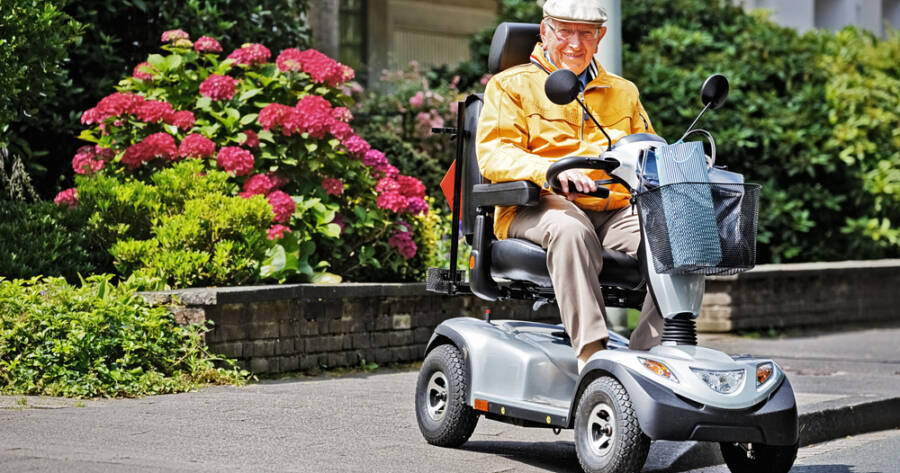
Medicare coverage for mobility scooters offers a lifeline for individuals with limited mobility, enhancing independence and quality of life. By understanding Medicare’s eligibility criteria, documentation requirements, and financial assistance options, individuals can navigate the process with confidence. This article explores the essential steps and considerations for obtaining a mobility scooter through Medicare, ensuring access to necessary support.
Understanding Medicare Coverage for Mobility Scooters
Mobility scooters can significantly enhance the quality of life for individuals with limited mobility, allowing them to navigate their homes and participate in daily activities independently. Medicare Part B plays a crucial role in making these devices accessible by covering up to 80% of the cost, provided certain conditions are met. To qualify, a mobility scooter must be deemed medically necessary by a healthcare professional, and the patient must demonstrate significant difficulty moving around their home, even with the use of a cane, walker, or crutch.
Eligibility and Documentation Requirements
To obtain a mobility scooter through Medicare, patients must undergo a face-to-face examination with a Medicare-approved doctor. This evaluation is crucial as it results in a seven-element order, which includes a statement of medical necessity and confirmation that the scooter can be used in the home layout.
The doctor must also provide a written prescription detailing the type of mobility device needed. Additionally, a Certificate of Medical Necessity (CMN) form must be completed by a healthcare provider, outlining the medical condition and necessity for a mobility scooter.
Choosing the Right Mobility Scooter
Medicare covers both 3-wheel and 4-wheel scooters, each offering different advantages depending on the user’s mobility needs and home environment. It’s essential to work with a Medicare-approved supplier to ensure the scooter meets Durable Medical Equipment (DME) standards and is medically necessary.
Various models are available, from compact and lightweight to heavy-duty options, with features like adjustable seats and controls for comfort. Medicare-approved scooter brands include Pride Mobility, Drive Medical, and Golden Technologies, which offer models that meet DME criteria for different user needs and environments.
Navigating the Medicare Process
The process of obtaining a mobility scooter through Medicare involves several steps, including consulting a physician, obtaining a written prescription, and finding a Medicare-approved supplier. It’s important to purchase or rent the scooter from a supplier that accepts Medicare assignment to avoid higher out-of-pocket costs.
If renting, Medicare will make monthly payments for as long as the scooter is deemed medically necessary, and the supplier is responsible for picking up the scooter when the rental period ends. Solace mobility advocates can assist patients in navigating Medicare’s complex requirements, ensuring proper documentation, finding Medicare-approved suppliers, and reducing out-of-pocket costs.
Financial Assistance and Additional Coverage
While Medicare covers 80% of the cost of a mobility scooter, the remaining 20% is the patient’s responsibility. However, financial assistance programs such as Medigap plans, Medicare Advantage, and state Medicaid can help cover this coinsurance.
It’s crucial to understand your specific Medicare plan details to manage the costs associated with obtaining a mobility scooter effectively. Solace advocates can assist in applying for these programs, ensuring that patients can access necessary mobility aids without financial strain.
Why You Should Learn More About Mobility Scooters via Medicare Today
Understanding the intricacies of Medicare coverage for mobility scooters is essential for anyone considering this valuable aid. By familiarizing oneself with the eligibility requirements, documentation process, and available financial assistance, individuals can make informed decisions that enhance their mobility and independence. With the right guidance and resources, obtaining a mobility scooter through Medicare can be a seamless process, ensuring that those in need can access the support they require to improve their quality of life.